Notes from the shop · Fleet Wraps
What Drives the Cost of a Commercial Vehicle Wrap in NYC
Coverage, vehicle size, panel complexity, artwork readiness, quantity and install location decide what a fleet wrap costs. Here is how each one moves the number.
· 9 min read · NYC Car Wraps, Long Island City
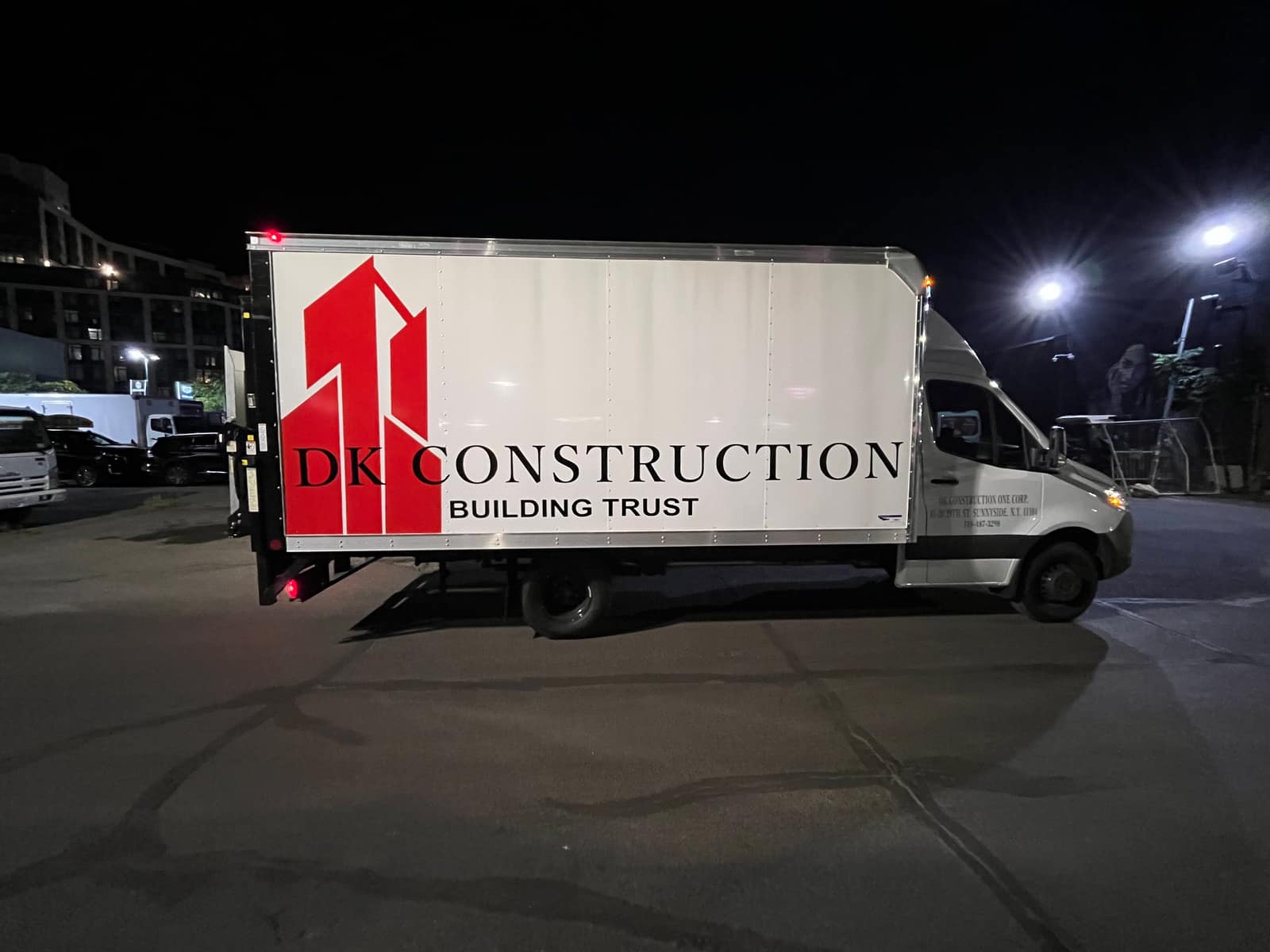
Every week we get the same first question from fleet managers, owner-operators and marketing teams: what does a wrap cost? The honest answer is that the number is built from six inputs, and until we know them, any figure is a guess. This post walks through each input, what it does to the quote, and what you can send us so the first estimate is the right one.
1. Coverage: full, partial, or lettering
Coverage is the biggest lever. A full wrap covers every painted panel: doors, quarters, hood, roof if it is visible, bumpers if they are smooth enough to hold film. A partial wrap prints graphics on the panels that matter (usually the sides and rear) and leaves the factory color everywhere else. Lettering and spot graphics use cut vinyl or small printed pieces for a name, phone number, DOT information and a logo.
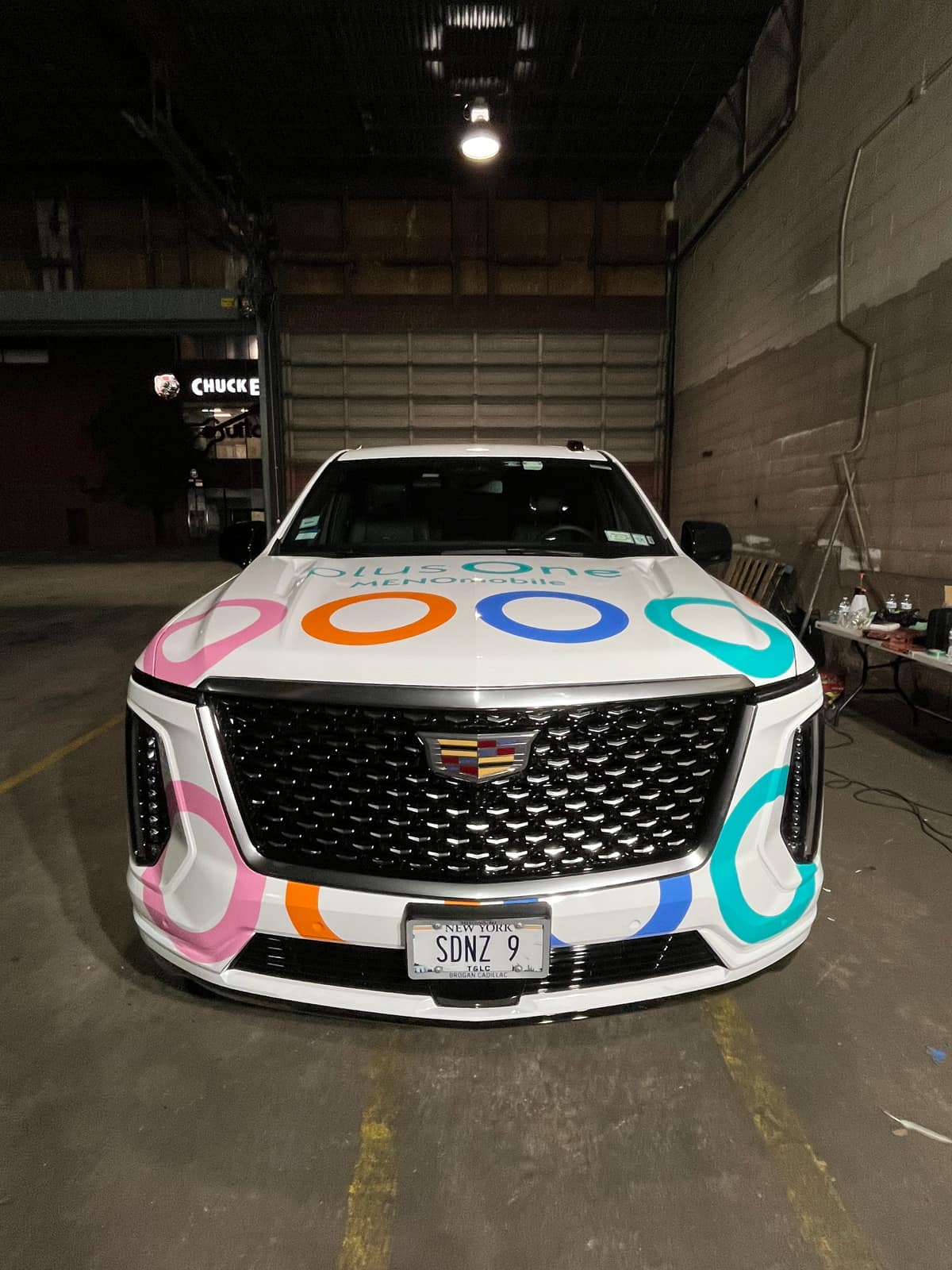
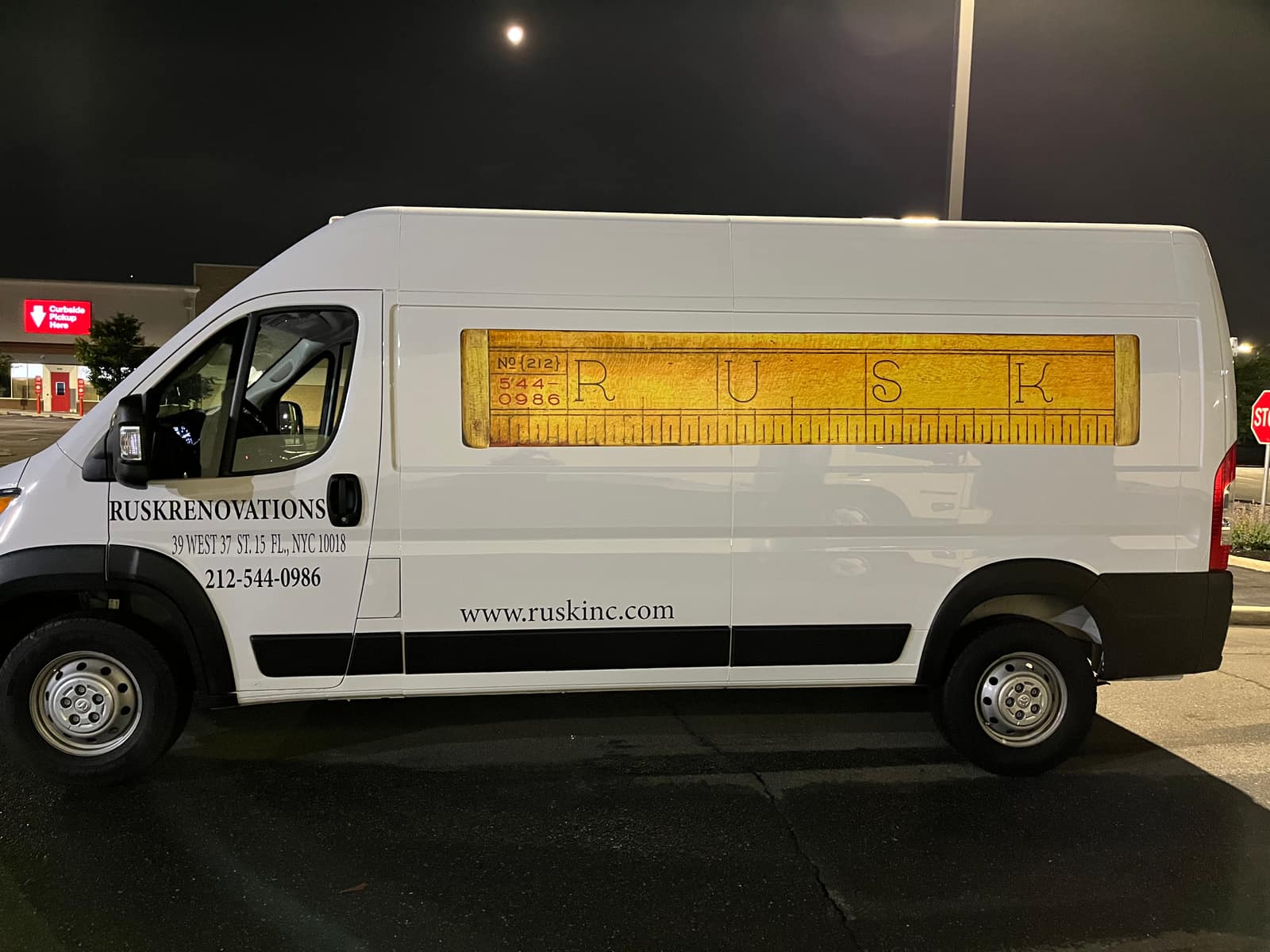
Material is the smaller part of the difference. Labor is the larger part. A full wrap means every edge, seam, handle, mirror and light gets trimmed and tucked, and that is where the hours go. A partial wrap on a white van is often the right call for a working fleet because the white is already the background color and the printed panel does the talking.
2. Vehicle size and shape
A 26-foot box truck has more square footage than a Transit Connect, so it uses more film and takes longer to install. But size alone is not the whole story. Flat box sides go on fast. A high-roof Sprinter with deep corrugations, rivets and recessed panels takes far more time per square foot than a box, because every rib has to be heated and post-heated so the film stays down.

When you send the vehicle list, include the model, the roof height and the wheelbase. For box trucks, the box length and whether the box is smooth fiberglass or riveted aluminum. Those details change the estimate more than the make does.
3. Panel complexity
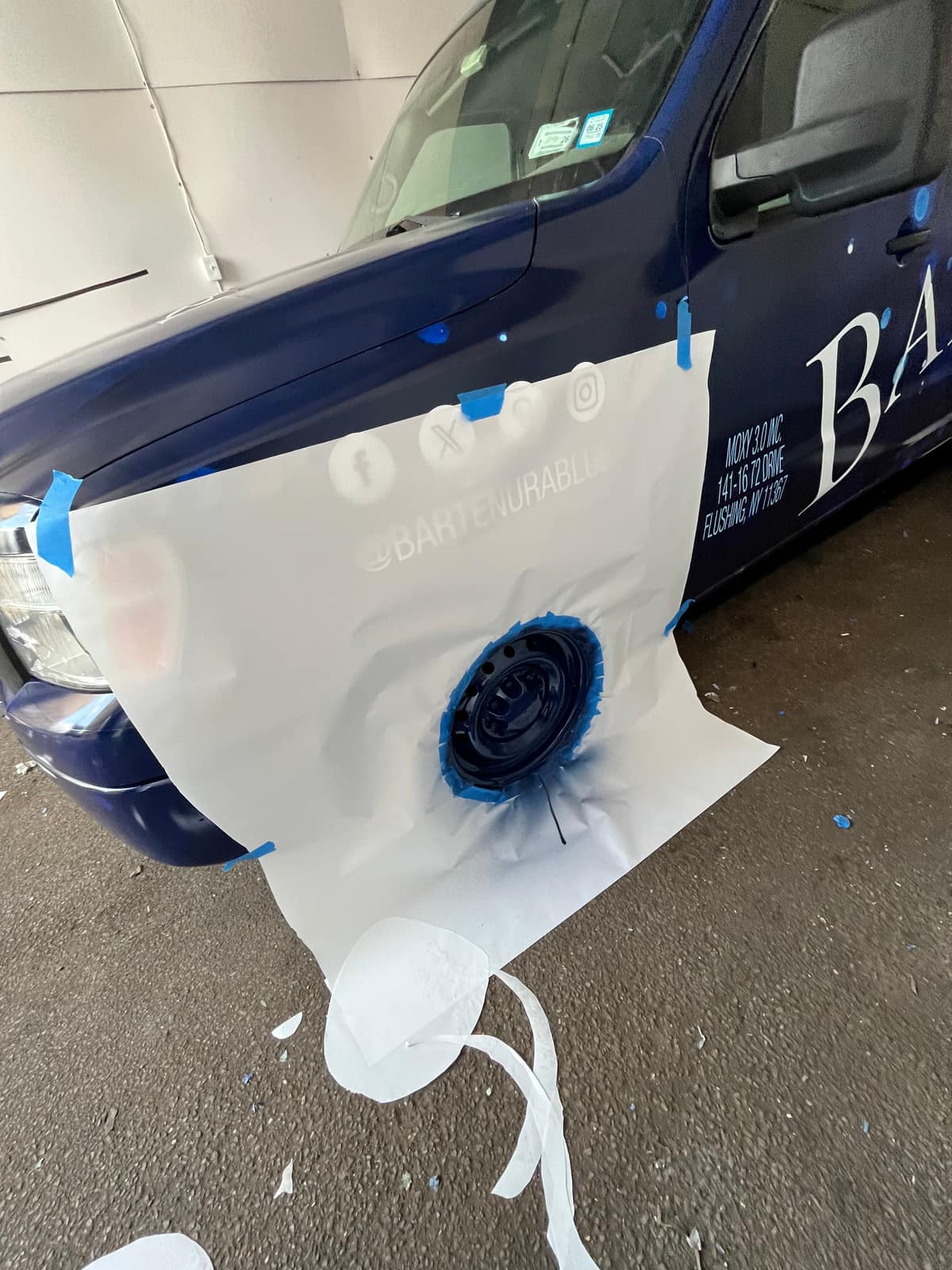
Two vans of the same size can price differently because of what is on the panels. Rivets, corrugations, deep door handles, roof racks, ladder racks, rear step bumpers and aftermarket lights all add trimming time. Some things have to come off and go back on: mirrors, badges, door handles, rear lights. If the vehicle has a lift gate, a reefer unit or a utility body, tell us so we can plan the layout around it instead of discovering it on install day.
4. Artwork readiness
Print-ready artwork means vector files for the logo, the brand colors as CMYK or Pantone references, and a layout already placed on the vehicle template. If you have that, design time is a proof and a couple of revisions. If you have a logo on a website and a rough idea, our design team builds the layout on the template for the exact model, which adds design hours to the job.
- Ready: vector logo (AI, EPS, SVG or PDF), brand colors, copy, and photos at print resolution.
- Partly ready: vector logo and colors, no layout. We design on the template and proof it.
- Starting from scratch: a logo screenshot and a phone number. We rebuild the logo as vector first, then design.
Design is worth paying for once and reusing. A fleet layout built on the template for one van model can be adapted to the next van, the box truck and the pickup with far less work than starting each vehicle fresh.
5. Quantity
Fleet pricing exists because the second identical vehicle is cheaper to produce than the first. The layout is done, the template is proven, the print file is set up, and the installer already knows where every seam falls. That is why we ask for the full vehicle list even if you plan to wrap them in stages. We can price the program once and schedule it around your vehicles' downtime.
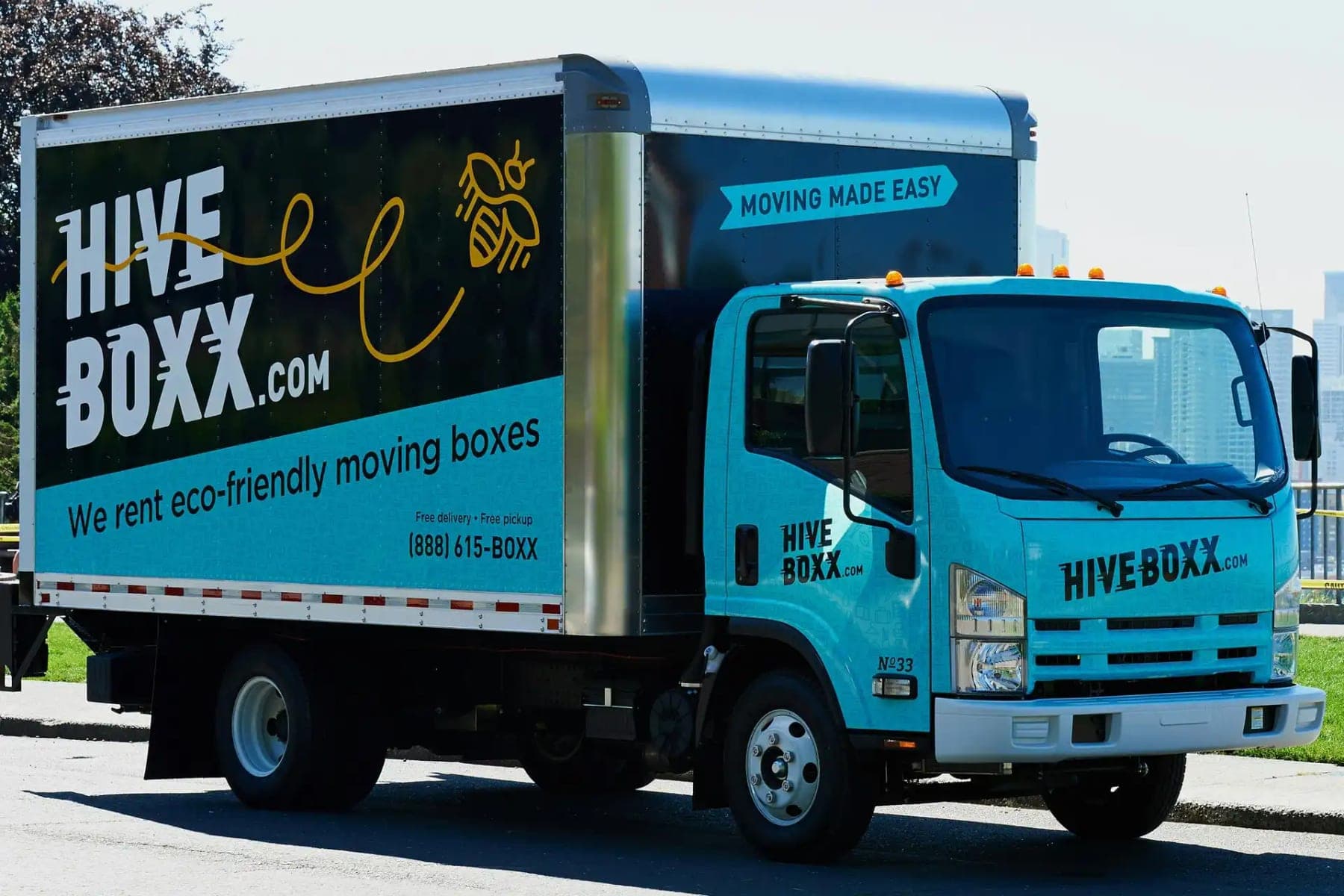
6. Install location
Most fleet work happens in our bay at 4700 Northern Blvd in Long Island City. The bay is heated, lit and dust-controlled, which is the right environment for film. We also install on site at yards, depots and commissaries across the five boroughs, Long Island and New Jersey. On-site work is a schedule decision more than a price decision: we need covered space, power, and vehicles that are clean and staged. When that is in place, it saves you from pulling vehicles out of service to drive them to Queens.
What is not in the price
A few things sit outside a standard wrap quote and are worth asking about up front: removal of an old wrap or old lettering, paint correction on failing clear coat (film will not stick to peeling paint), replacement of damaged panels, and permits or access fees at certain yards. We flag any of these during the site check so there are no surprises on the invoice.
What to send for an accurate quote
- 1Vehicle list: year, make, model, roof height or box length, and how many of each.
- 2Coverage you have in mind: full, partial, or lettering. If you are not sure, say so and we will show options.
- 3Artwork status: vector logo, brand colors, and any existing layouts.
- 4Photos of one vehicle from each side, plus the rear. Phone photos are fine.
- 5Where the vehicles are and when they can come off the road.
With that list we can return a scoped quote, a proof timeline and an install schedule in one reply. Without it, the first answer is a range and the second answer is a list of questions.
Common questions
Is a partial wrap on a white van a downgrade?+
No. For most trades and delivery fleets it is the right call. The white body is the background, and the printed panel carries the logo, the message and the contact details. It reads clearly, costs less to produce and is faster to replace if a panel gets damaged.
Does a wrap protect the paint?+
Cast vinyl with a UV laminate covers the paint while it is on and comes off cleanly from factory paint that is in good condition. We do not sell wraps as paint protection; the point of a fleet wrap is the graphic.
How long does a commercial wrap last?+
Printed 3M, Avery Dennison or Oracal media with a UV laminate typically lasts several years in daily NYC use. Sun exposure, washing habits and how the vehicle is parked all affect it. We give every client a care sheet at handover.
Can you wrap leased vehicles?+
Yes. Wraps are removable, and we remove them at lease end. Check your lease for any language about graphics, but most fleet leases allow it.
Next step
Let's scope your project.
Send the vehicle list and artwork status; we'll come back with a scope and timeline.